
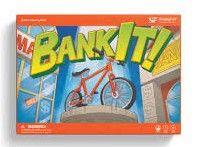

Money is a game. Like all games, you can get better at it. You can exponentially get better at it.
Once you stop viewing money as a stressful, emotional burden and start viewing it as a game with specific mechanics, you can actually learn how to “win.”
Know the rules early
When you’re young, you’re basically in the tutorial level.
- Learn the “rules” that matter most: how credit scores work, how interest on debt and savings works, how taxes hit your paycheck, what employer benefits really mean.
- The earlier you understand these, the fewer “hidden traps” (high‑interest debt, fees, bad loans) you’ll step in.
Your starting character and stats
You don’t choose your starting position: family money, where you live, school, connections.
- Instead of comparing, focus on the stats you can level up: skills, work ethic, reliability, communication, basic financial literacy.
- In money terms, that means learning valuable skills, choosing better jobs over time, and avoiding big early mistakes (like high‑interest credit card debt).
XP(experience points) = skills, not just income
At the beginning, your main goal isn’t to get rich fast; it’s to gain “XP.”
- Every job, side hustle, or project is a chance to learn skills that can increase your earning power later.
- Ask: “What skills does this help me build?” not just “How much does it pay?”—high‑income levels are usually locked behind rare skills, not just hard work.
Playing offense and defense
To build wealth, you need both:
- Offense = earning more over time (raises, promotions, better jobs, side income, maybe a business later).
- Defense = not losing what you earn to dumb stuff (overspending, impulse buys, lifestyle creep, expensive debt).
A young player usually wins more by tightening defense a bit and aggressively building offense (skills, career) than by chasing fancy investments.
Early power‑ups: habits
Tiny habits are like passive bonuses that stack over years.
- Saving even a small fixed amount every paycheck is like turning on auto‑XP gain in the background.
- Automatically investing in a simple broad market fund through a retirement account or brokerage is like assigning that XP to long‑term power instead of short‑term cosmetics.
Compound interest = the game’s secret cheat code
When you’re young, time is your biggest advantage.
- Money you invest in your 20s has decades to grow; you’re letting the game’s engine work for you while you live your life.
- That’s why even “small” early amounts matter—each invested dollar is like a little character that keeps training while you sleep.
Avoiding game‑over traps
A few things can set a young player far back:
- High‑interest debt (credit cards, buy‑now‑pay‑later, predatory loans).
- Lifestyle inflation—spending every raise instead of letting your “score” actually grow.
- Chasing risky “get rich quick” plays because other people are bragging online.
Thinking of these as traps helps you treat them seriously, not as normal.
Choosing your win condition
As a young person, you get to define what “winning the money game” means:
- Maybe it’s financial independence by a certain age, maybe it’s never stressing about bills, maybe it’s having freedom to change careers or travel.
- Once you define that, decisions get easier: you can ask, “Does this move push me toward my win condition or just look cool right now?”
Playing the long game
Games reward patience and learning from mistakes.
- You will make money mistakes; the key is to make them small and learn from them rather than quitting or pretending they didn’t happen.
- If you keep learning the rules, building skills, investing steadily, and avoiding big blow‑ups, you’re basically playing on “easy mode” over the long run—even if it feels slow day to day.
If you tell me your age, rough income range, and whether you have any debt, I can sketch out what “Level 1–5” might look like for you in this money game over the next few years.
Think about it. If you have $1000, and find a way to double it, you will have $2000.
STOP – i know, “I don’t have $1000.
….Then get it!
Offer your labor, get the $1000, hard work is always the hack. When you have zero dollars, your only asset is time. One option is to learn a skill which I have wrote about another post on skills.
So back to doubling my $1000
How?
…get creative.
- buy a tool that will allow you to perform a service that you double your money
- buy a lot of 10 items for a discount and sell them individually
- flip something, one persons garbage is another’s treasure
Now you have the $2000 and apply the above concept to doubling it again… and again
$4000
$8000
$16000
$32000
$64000
$128000
$256000
$512000
Congratulations, you’re a millionaire
Leave a Reply
You must be logged in to post a comment.