
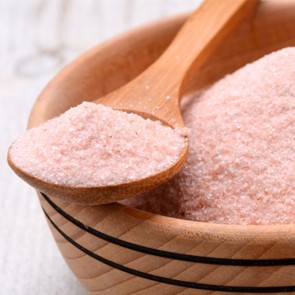

In recent years, pink Himalayan salt has moved from a specialty health store item to a kitchen staple. Its rosy hue and distinct crystals make it a favorite for foodies and wellness enthusiasts alike, but is it actually better for you than your standard table salt?
Here is a breakdown of the benefits and the myths of “pink gold.”
What Makes it Pink?
Pink Himalayan salt is chemically similar to table salt, containing up to 98% sodium chloride. The remaining 2% is made up of trace minerals like potassium, magnesium, and calcium. These minerals, particularly iron oxide (rust), are what give the salt its signature pale pink color.
Unlike table salt, which is heavily refined and often treated with anti-caking agents, Himalayan salt is hand-mined from the Khewra Salt Mine in Pakistan and is generally unrefined and additive-free.
What are the Benefits of Pink Himalayan Salt
1. Fewer Additives
One of the biggest draws is its purity. Most table salts undergo a heavy refining process that strips away minerals and adds chemicals like sodium ferrocyanide to prevent clumping. Himalayan salt is a natural, “whole” alternative for those looking to avoid processed ingredients.
2. Natural Electrolyte Support
Because it contains trace amounts of 84 different minerals and elements, it serves as a natural source of electrolytes. While the amounts are small, they can help:
- Support muscle contraction.
- Aid in nerve signaling.
- Maintain fluid balance (especially helpful for those on keto or low-carb diets).
3. Skin & Respiratory Health
Himalayan salt isn’t just for eating. It is widely used in halotherapy (salt therapy) and skincare:
- Detox Baths: Adding it to a warm bath can soothe sore muscles and calm skin irritations like eczema or psoriasis.
- Exfoliation: The coarse crystals make for an excellent natural body scrub to remove dead skin cells.
4. Better Hydration (The “Pinch” Trick)
Some wellness experts recommend adding a tiny pinch of pink salt to your morning water. This can help your body absorb water more effectively by providing the sodium needed to pull moisture into your cells, preventing that “sloshy” feeling from drinking too much plain water.
How to Use It
- Finishing Salt: Sprinkle it on avocado toast or grilled salmon for a satisfying crunch.
- Salt Blocks: You can actually cook or sear meat and vegetables directly on a heated Himalayan salt block.
- Aesthetics: Use it in a clear grinder to add a pop of color to your dining table.
The Bottom Line: Pink Himalayan salt is a beautiful, less-processed alternative to refined salt. While it isn’t a “miracle cure,” its lack of additives and rich mineral profile make it a worthy upgrade for your pantry.
The Claim vs What Science Says
| The Claim | What the Science Says (Multiple Sources) |
| 84 Trace Minerals | True, but they are present in such tiny amounts that they don’t significantly impact your nutrition. |
| Lower Sodium | Mostly a Myth. Per gram, it’s almost identical to table salt. Because the crystals are larger, a “spoonful” has less salt, but the chemical makeup is the same. |
| Natural/Unrefined | Confirmed. This is the main benefit cited by food experts. It avoids the anti-caking agents and bleaching used in standard table salt. |
| The “Pink” Color | Iron Oxide. Multiple geological sources confirm the color comes from trace amounts of iron (essentially natural rust) in the Himalayan foothills. |
Leave a Reply
You must be logged in to post a comment.